
Health & Nutrition Insights
Discover evidence-based articles on building healthy eating habits

Understanding Macronutrients: A Beginner's Guide to Balanced Eating
Macronutrients—carbohydrates, proteins, and fats—form the foundation of a healthy diet. Learning how to balance these three nutrients can transform your approach to eating and help you establish sustainable habits that support long-term wellness.
Read More →
Building Lasting Healthy Eating Habits: The 30-Day Challenge
Change doesn't happen overnight, but research shows that consistent small actions create powerful results. This article explores the science behind habit formation and provides practical strategies for building eating habits that stick, even when motivation fades.
Read More →
Five Simple Meal Prep Recipes for Healthy Weekdays
Meal preparation is one of the most powerful tools for maintaining healthy eating habits. Discover five nutritious, easy-to-prepare recipes that take less than 30 minutes on Sunday and provide balanced meals throughout your working week.
Read More →
The Art of Mindful Eating: Slow Down and Savour Your Food
Modern eating habits often involve rushing between tasks and eating without awareness. Mindful eating invites you to reconnect with food, recognise satiety cues, and develop a healthier relationship with eating that extends far beyond calorie counting.
Read More →
Decoding Food Labels: What You Really Need to Know
Food labels contain vital information, but they can be confusing if you don't know what to look for. Learn how to interpret nutrition panels, spot hidden sugars, and make informed choices when shopping that align with your health goals.
Read More →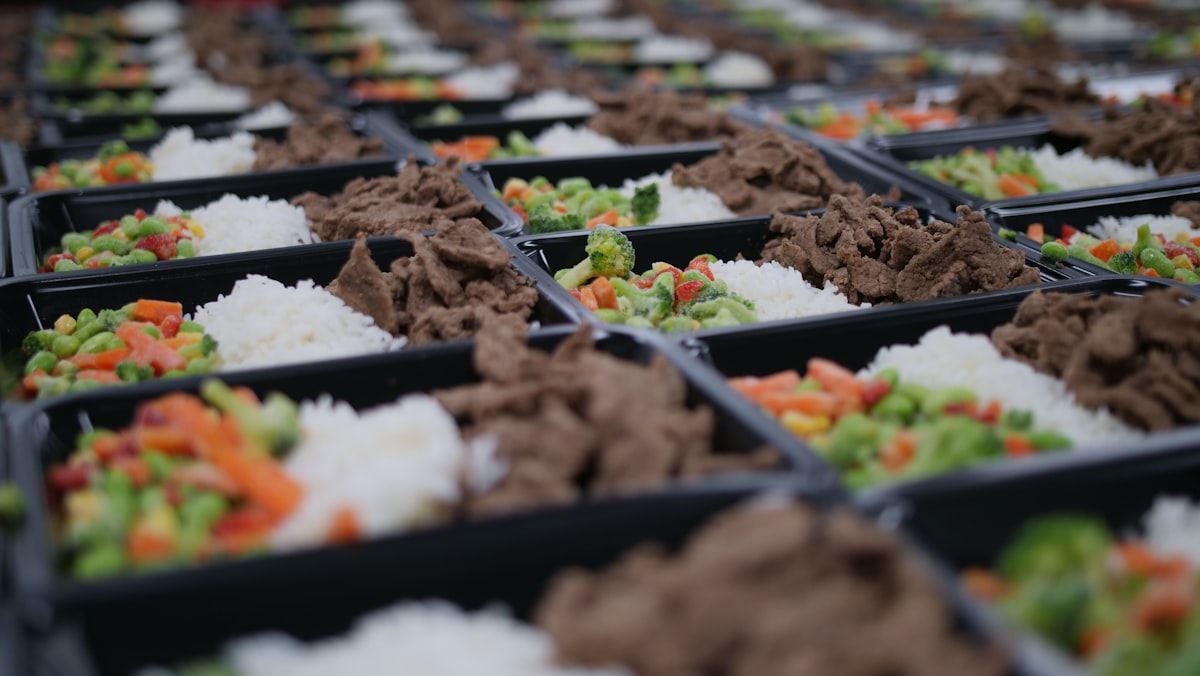
Managing Emotional Eating: Understanding Your Food Triggers
Emotional eating is a common challenge on the journey to healthier habits. This comprehensive guide explores the psychology behind food cravings, identifies your personal triggers, and provides practical strategies for developing a balanced, emotionally intelligent relationship with food.
Read More →Stay Updated with Our Latest Articles
Subscribe to our newsletter and receive weekly insights on building healthy eating habits, nutrition tips, and recipes delivered straight to your inbox.
We respect your privacy. Unsubscribe at any time. For more details, see our privacy policy.
Frequently Asked Questions About Healthy Eating
Starting your healthy eating journey doesn't require drastic changes. Begin by setting one small, achievable goal—such as adding a serving of vegetables to each meal or drinking more water. Focus on building one habit at a time over 2-3 weeks before introducing another change. This gradual approach is proven to be more sustainable than attempting a complete dietary overhaul. Remember that progress, not perfection, is the goal.
Cravings are a normal part of eating, not a sign of failure. Instead of eliminating foods completely, allow yourself small portions occasionally whilst focusing on nutritious alternatives. Keep healthy snacks easily accessible—when reaching for food is effortless, you're more likely to choose nutritious options. Understanding whether you're physically hungry or eating for emotional reasons is also crucial. If a craving persists, a small, mindful portion can satisfy the desire without derailing your progress.
A common guideline is the "8x8 rule"—eight 8-ounce glasses of water daily—but individual needs vary based on activity level, climate, and body size. A practical approach is to drink enough so that you rarely feel thirsty and your urine is pale yellow. If you exercise regularly or live in a warm climate, increase your intake accordingly. Many people find that starting with one glass of water with each meal and between meals provides a good foundation.
Calorie counting works for some people but not everyone. A more sustainable approach for beginners is to focus on food quality—choosing whole grains, lean proteins, vegetables, and healthy fats—rather than obsessing over numbers. Paying attention to portion sizes and eating until satisfied (not stuffed) provides natural regulation. If structured guidance helps you, meal plans can be useful, but they should feel flexible and enjoyable rather than restrictive. Find what approach works best for your lifestyle and preferences.
Eating out doesn't have to derail your healthy eating habits. Before dining, review the restaurant menu and identify nutritious options. Don't hesitate to ask for modifications—most chefs are happy to adjust dishes. When travelling, pack portable snacks like nuts, dried fruit, or protein bars to avoid relying solely on convenience foods. Look for restaurants with salads, grilled proteins, and vegetable sides. Remember that one meal won't undo your progress; maintaining a flexible, balanced approach allows you to enjoy experiences whilst staying aligned with your goals.
Setbacks are a normal part of any lifestyle change and do not mean failure. When you notice yourself reverting to old patterns, respond with compassion rather than criticism. Identify what triggered the slip—stress, boredom, a difficult day—and plan a specific response for next time. Rather than viewing it as a reason to abandon your efforts, treat it as valuable learning information. Simply recommit to your goals the very next meal or day. Progress is built through consistent small efforts over time, not through perfection.
What Our Community Says
"These articles finally explained nutrition in a way I could understand. I've been following the tips for three weeks now and I genuinely feel more energetic. The habit-building approach has made all the difference—I'm not restricting myself, just making better choices."
Sarah Mitchell
Birmingham, United Kingdom
"I was overwhelmed trying to overhaul my entire diet. The 30-day habit challenge broke everything into manageable pieces. The meal prep recipes have saved me so much time and stress during the week. I actually enjoy cooking now."
James Elliott
London, United Kingdom
"The article about mindful eating helped me understand why I was comfort eating. Instead of feeling guilty, I've learned to listen to my body's actual hunger signals. Dietexpertroute's approach focuses on understanding, not judgment."
Rachel Thompson
Manchester, United Kingdom
Ready to Explore More Content?
Discover our comprehensive resource library with guides, recipes, and science-backed insights into building sustainable healthy eating habits.